BPC-157 and TB-500: Why Researchers Are Studying Them Together
31 March 2026 · PepC.Labs
For research use only
This article is research education for laboratory and research-use audiences. Products mentioned are sold strictly for in-vitro research and not for human or veterinary consumption.
BPC-157 and TB-500 are among the most frequently referenced peptides in tissue repair and regeneration research. Individually, each has a growing body of published literature. Together, they've become one of the most popular combinations in peptide research, and for good reason.
BPC-157: The Basics
Body Protection Compound-157 (BPC-157) is a synthetic pentadecapeptide derived from a protective protein found in human gastric juice. It consists of 15 amino acids and has been the subject of numerous in vivo and in vitro studies.
Published research has investigated BPC-157 in animal and in vitro models relating to soft tissue injuries, tendon-to-bone healing, ligament repair, and gastrointestinal protection. Its proposed mechanisms in these models involve modulation of growth factor expression, nitric oxide synthesis, and angiogenesis, the formation of new blood vessels at injury sites.
Key areas of published research include:
TB-500: The Basics
Thymosin Beta-4 (TB-500) is a 43-amino acid peptide that plays a role in cell migration, differentiation, and tissue repair. It's naturally present in most human and animal tissues, with particularly high concentrations in wound fluid.
TB-500 research has focused on its ability to promote cell migration to injury sites, upregulate actin, a protein critical to cell structure and movement, and reduce inflammation. Studies have examined its effects across cardiac tissue, dermal wounds, corneal injuries, and musculoskeletal models.
Key areas of published research include:
Why Researchers Combine Them
The interest in combining BPC-157 and TB-500 stems from their complementary mechanisms. Where TB-500 primarily promotes cell migration and structural protein regulation, BPC-157 appears to work through growth factor and vascular pathways.
The hypothesis driving combination research is that these two peptides may address different phases of the tissue repair cascade simultaneously: cellular recruitment via TB-500 and vascular support and growth factor signalling via BPC-157.
While large-scale clinical trials on the combination are still limited, the preclinical literature continues to grow, and the pairing remains one of the most requested in research peptide sourcing.
PepC.Labs BPC-157 + TB-500 Blend
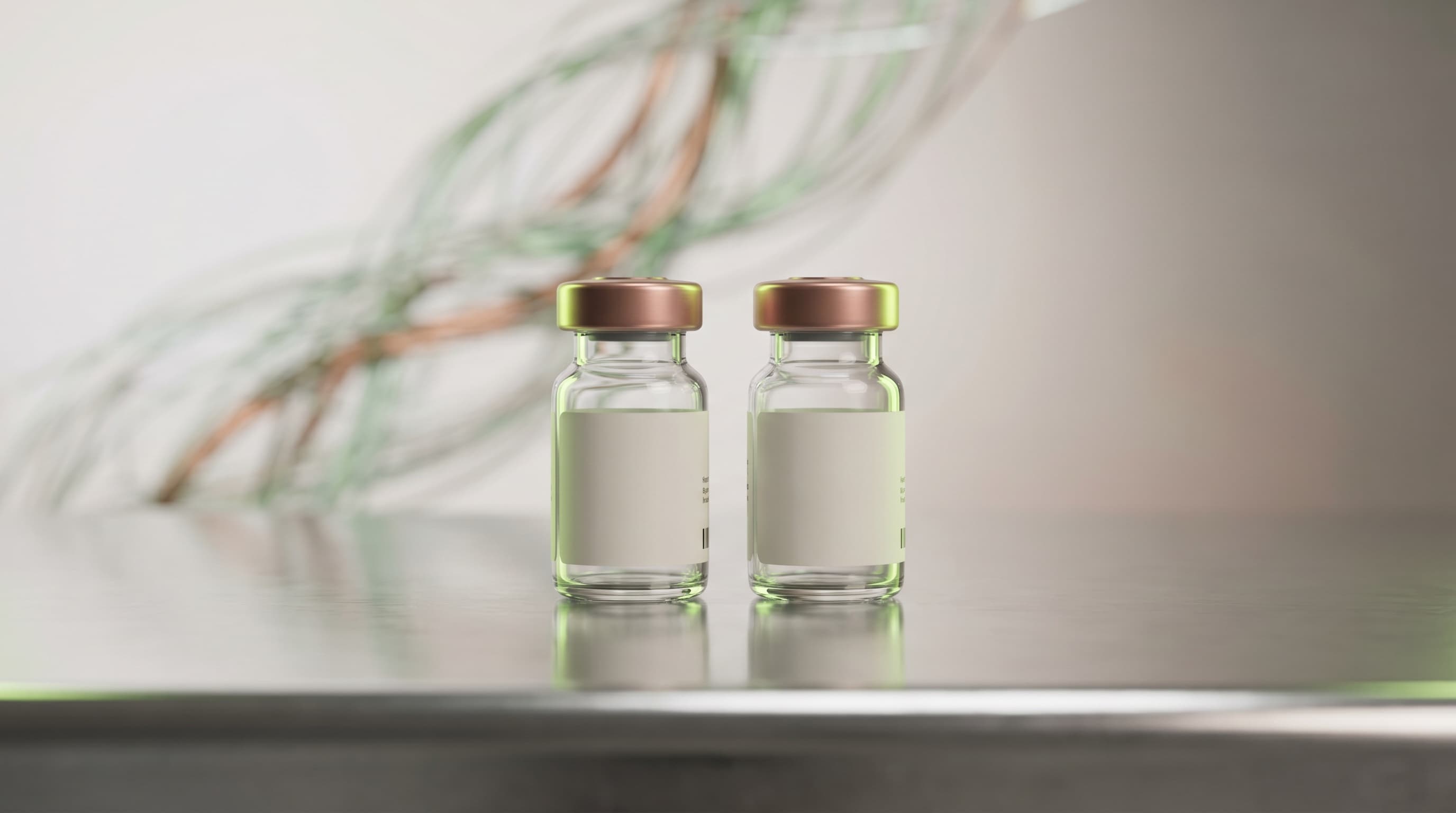
Our BPC-157 + TB-500 blend contains 5mg of each peptide per vial (10mg total), verified at 99.1% purity via HPLC. It's our bestselling product for a reason: researchers working in tissue repair models frequently require both peptides, and a pre-blended vial simplifies preparation and reduces handling variability.
As with all PepC.Labs products, each batch is independently tested and ships with domestic tracking from Australia.
The information in this article is for educational and research purposes only. Products mentioned are intended for laboratory and research use only and are not intended for human consumption. Always consult relevant regulations in your jurisdiction.